
Application Guide
Solvent Transfer Pumps
Flammable, expensive, and hard on elastomers.
Solvent transfer — methanol, toluene, acetone, IPA, MEK and friends — combines three risks: flammability demanding leak-tight construction, product value making leakage expensive, and aggressive solvent action on the wrong elastomers and polymers. Material selection here is about seal faces and O-rings as much as casing.
The pumping challenges
- Flammability — any leak path is a fire risk
- Solvents dissolve incompatible elastomers within days
- Low lubricity accelerates dry-run damage
- Static electricity considerations in ATEX-adjacent installations
Material options
SS 316 metallic construction for most hydrocarbon solvents
PVDF where non-metallic is preferred and solvent-compatible
PTFE/FFKM sealing — generic NBR fails in ketones and aromatics
Technical considerations
- Name the exact solvent — 'solvent' is not a specification
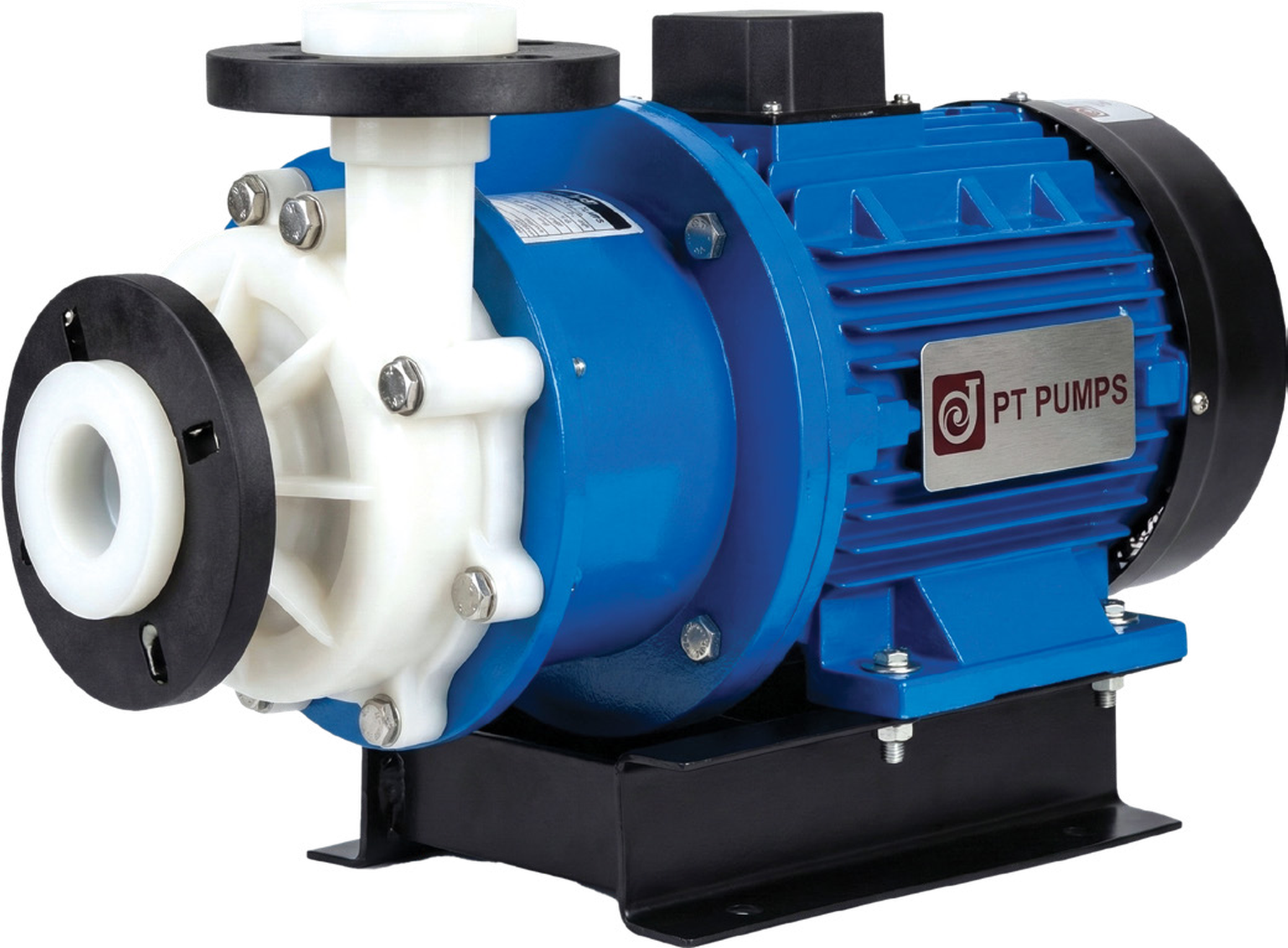
- Magnetic drive removes the leak path for toxic or high-value solvents
- Self-priming SS 316 units for drum and barrel unloading
- Flameproof motor specification confirmed at selection
Honest limits: no pump material is universally compatible with every concentration and temperature of a chemical. Final selection is confirmed against your exact duty — that's why we ask before we quote.
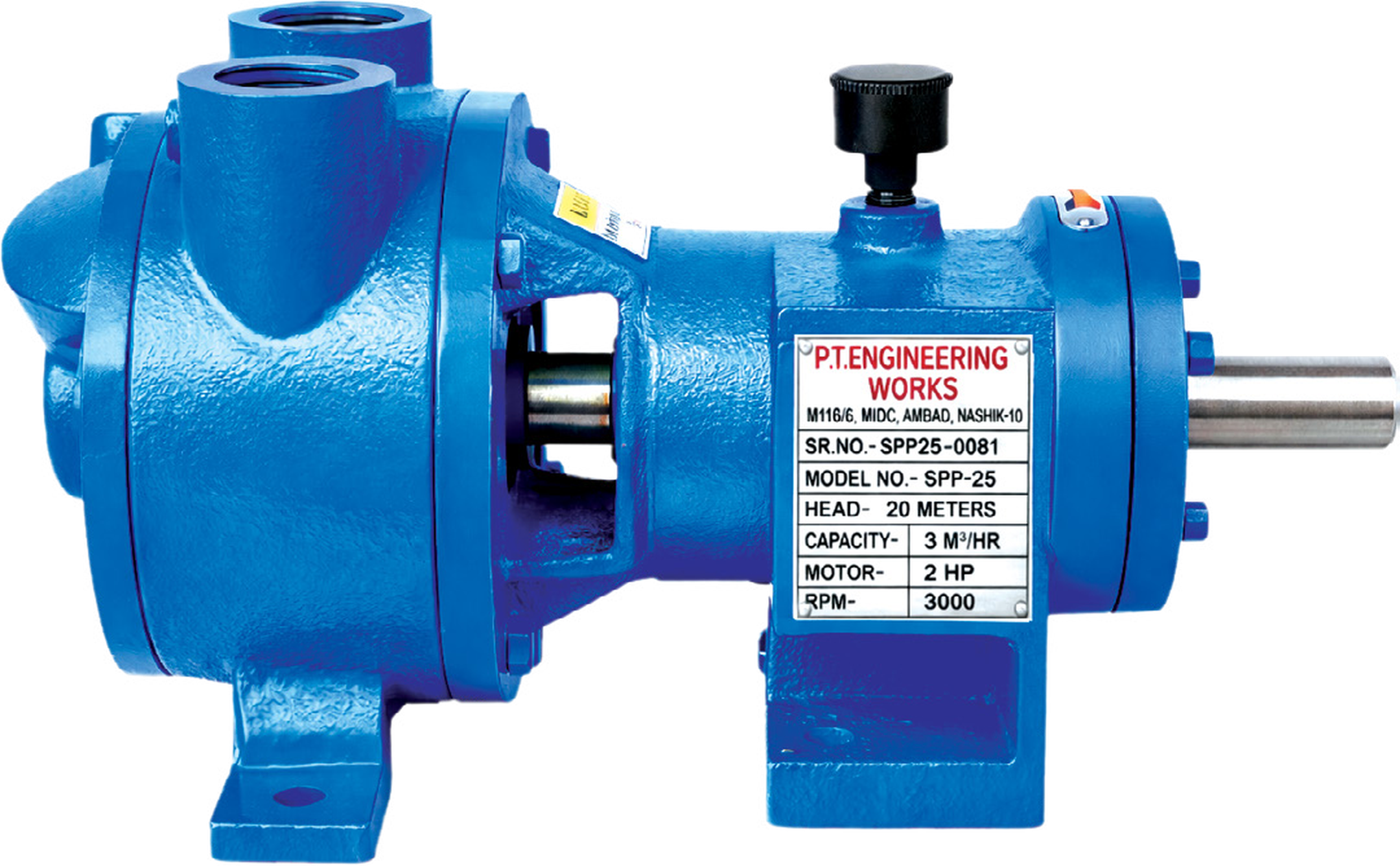
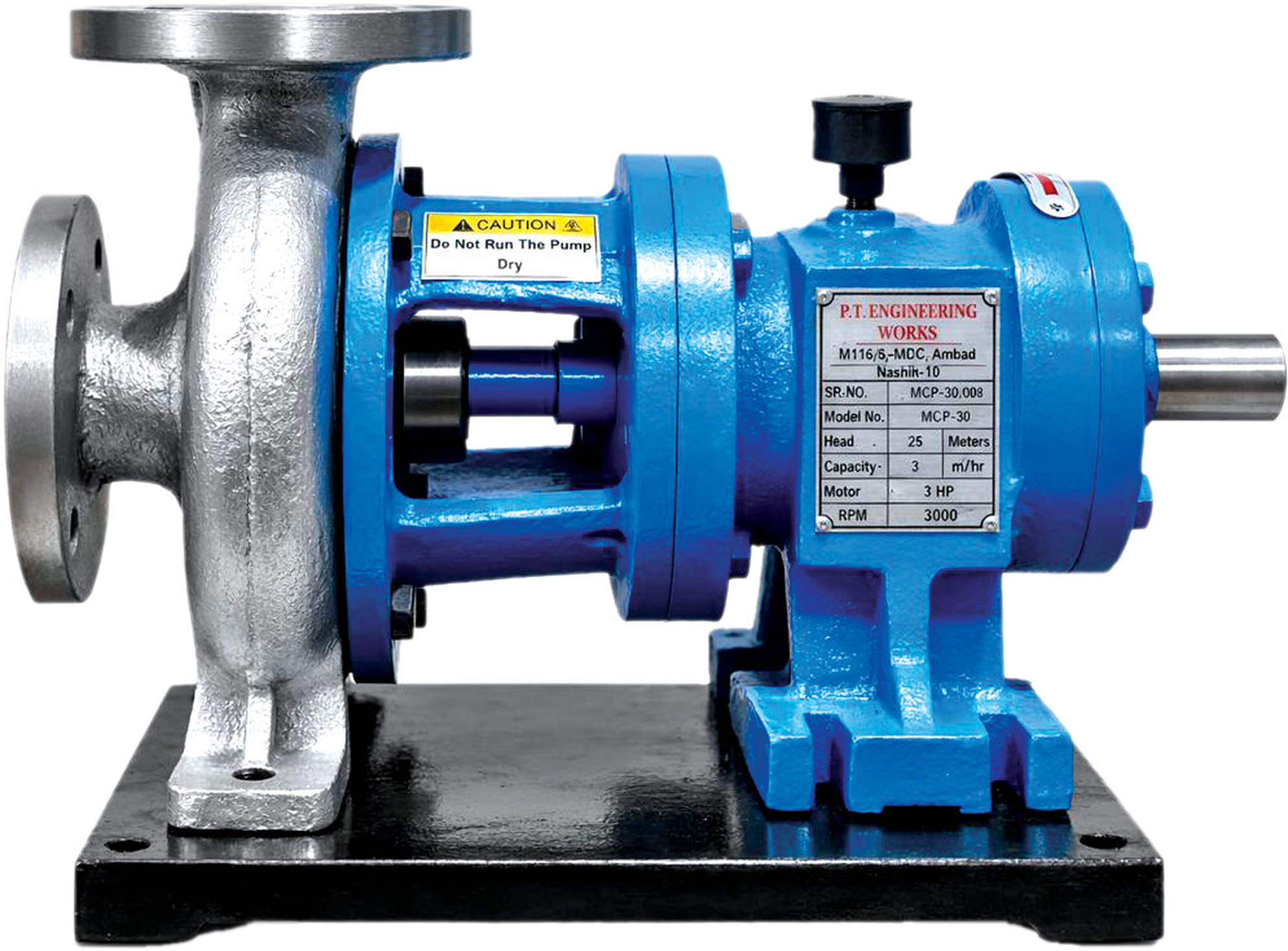
Suitable PT Pumps
Pumps for this duty
FAQs
Common questions on this duty
Our SS 316 self-priming centrifugal pump is built for exactly this — it primes on suction lift up to 3 m without a foot valve and empties drums to the last litre. Flameproof motor options available.
Enquire
Get a pump selected for this duty
Fill in the duty point — the form is pre-tagged for this application. An applications engineer responds with a confirmed selection and budgetary quotation.