
Application Guide
Chemical Effluent Transfer Pumps
Unknown chemistry, variable pH, occasional solids — engineered for.
Effluent transfer is the least glamorous and most abused pump duty in industry: mixed chemistry that changes daily, pH swinging across the scale, rags and solids in the stream, and sumps at the far end of the plant. The pumps that survive are conservatively selected with corrosion-proof wetted parts.
The pumping challenges
- Composition varies daily — no single 'perfect' material datasheet applies
- pH excursions in both directions
- Solids, rags and debris in raw effluent
- Deep collection sumps with difficult access
Material options
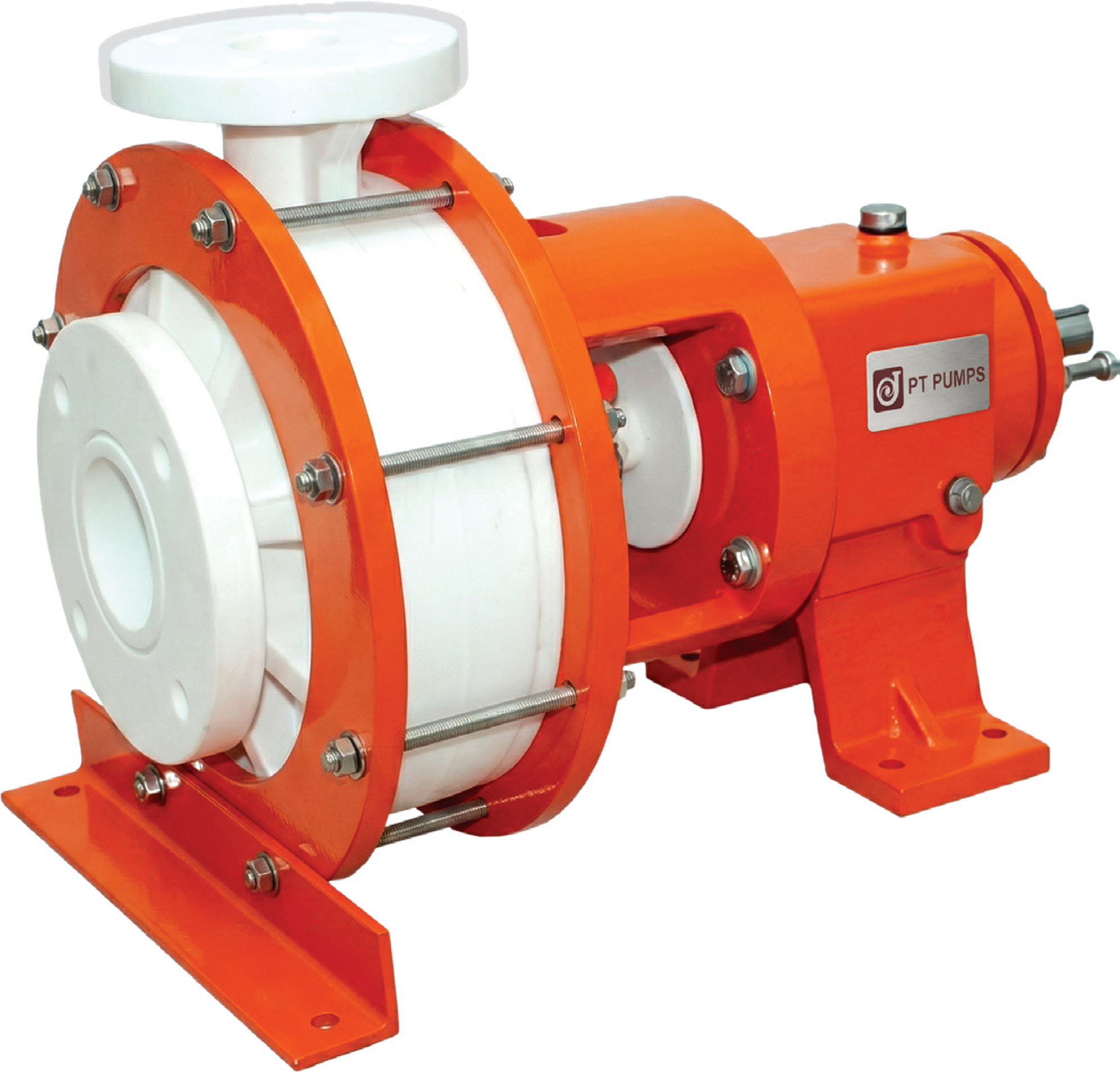
PP wetted parts cover most effluent chemistry economically
SS 316 for higher temperature or mechanical duty
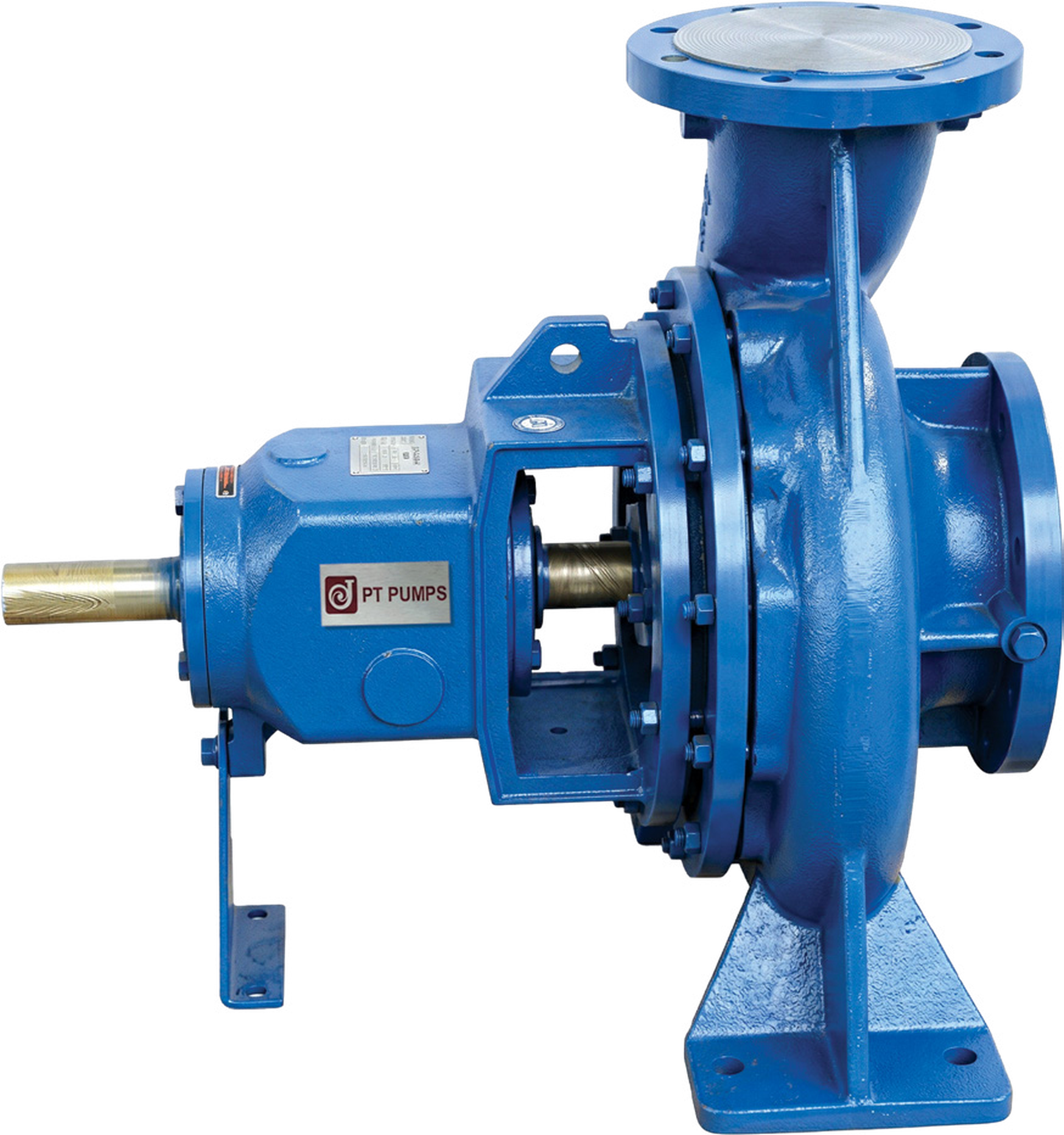
Cast iron for neutral utility streams
Technical considerations
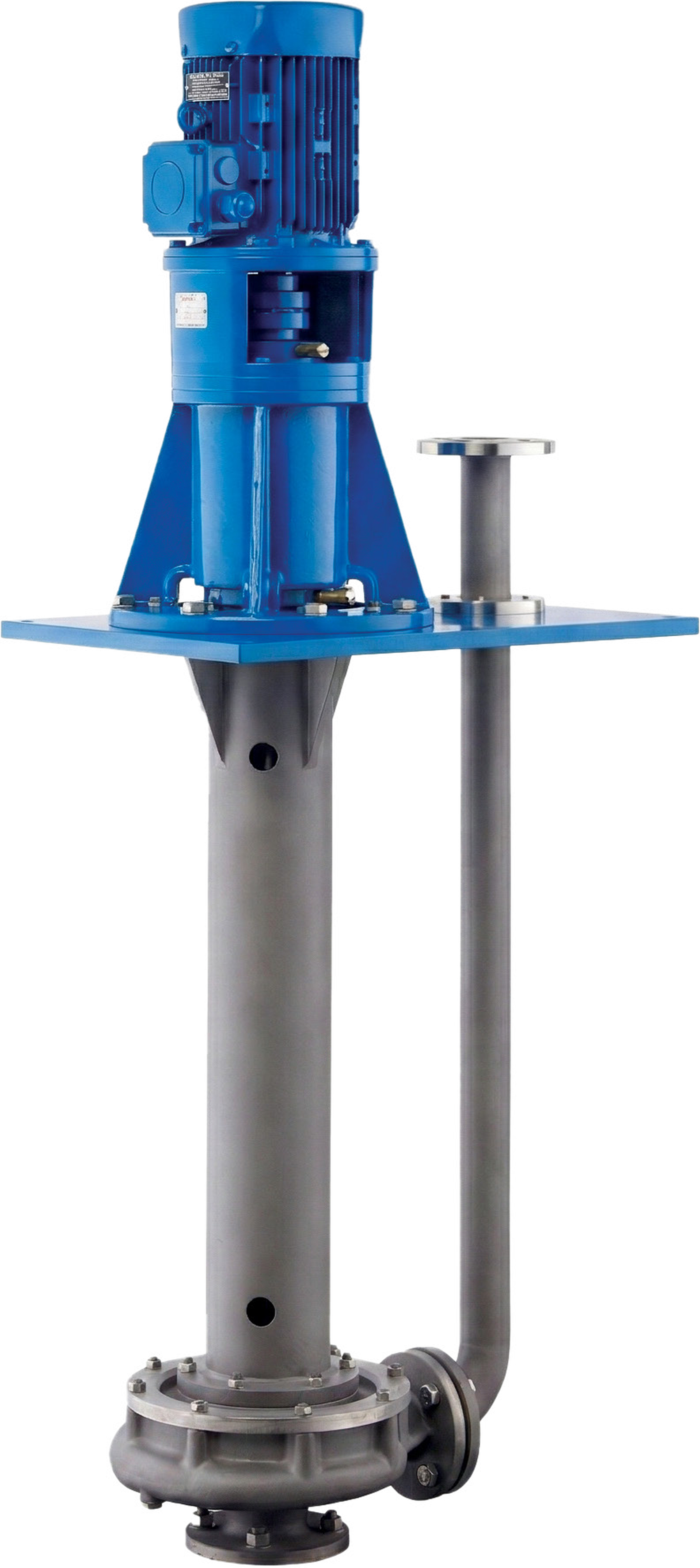
- Vertical sump pumps keep motors above corrosive, flooded pits
- Tell us the pH range and the worst chemical likely in the stream
- Solids handling confirmed against realistic particle content
- Spares planning built into the quotation for critical ETP duty
Honest limits: no pump material is universally compatible with every concentration and temperature of a chemical. Final selection is confirmed against your exact duty — that's why we ask before we quote.
Suitable PT Pumps
Pumps for this duty
FAQs
Common questions on this duty
PP wetted parts cover the widest unknown-chemistry envelope economically, which is why most ETP transfer pumps we build are PP — for pits and sumps, the vertical long-shaft design with the motor above liquid level.
Enquire
Get a pump selected for this duty
Fill in the duty point — the form is pre-tagged for this application. An applications engineer responds with a confirmed selection and budgetary quotation.